


















Guide to Cheese Types
Bleu Cheese - Cheese Guide
June 12, 2019 | By Dave Mattingly
Bleu cheese is one of those foods that is either loved passionately or avoided at all costs. Truth be told, Bleu Cheese haters often find most Bleu Cheeses to be too strong for their tastes. However, like types of olive oil, there are hundreds of Bleu Cheeses out there, with many suited to even the mildest of preferences.
The big, tangy flavor of Bleu Cheese makes a distinctive presence in any dish. Whether it's made of cow, sheep, or goat's milk, the unforgettable taste of Bleu Cheese has earned it a revered spot in restaurants, cheese shops, and homes all across the world.
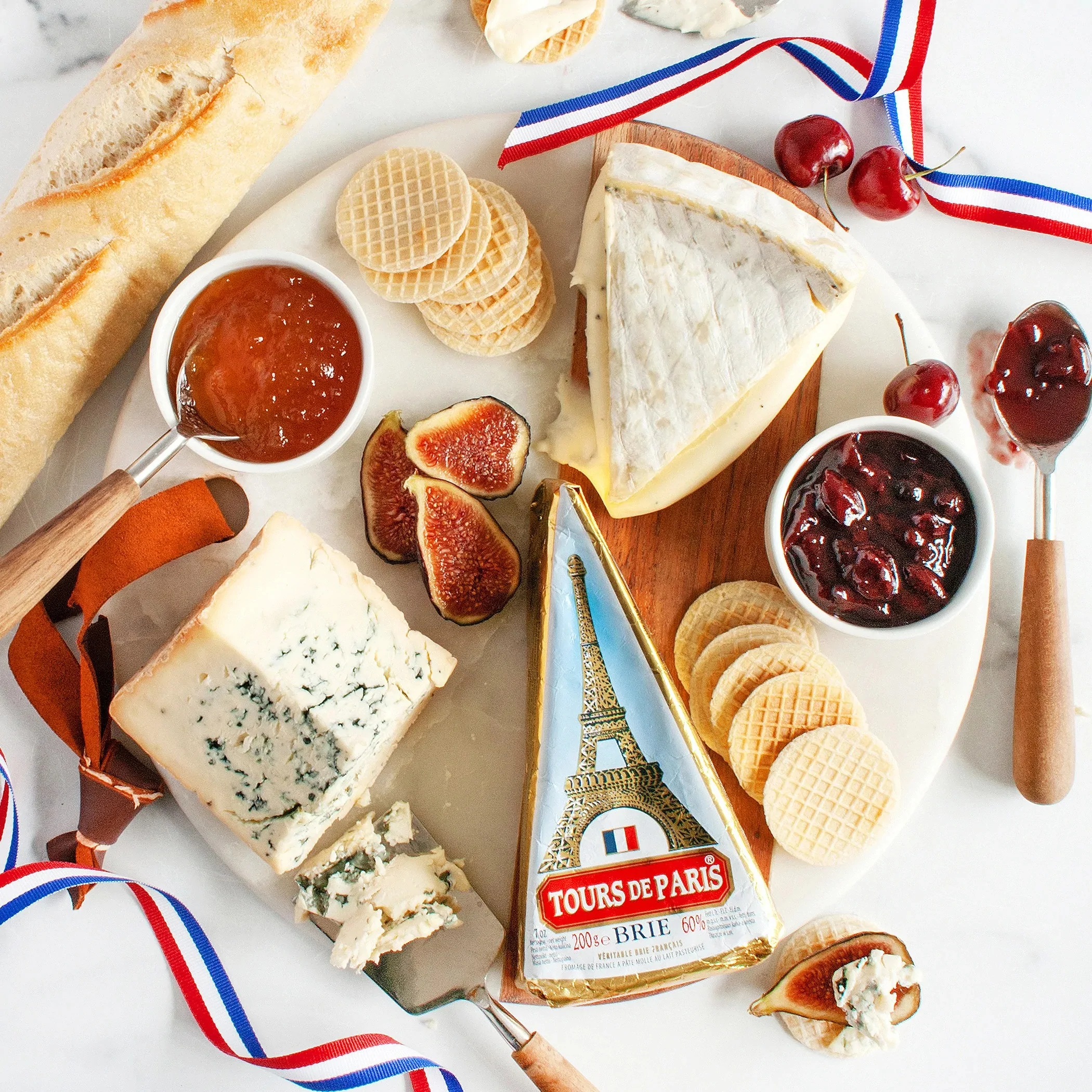
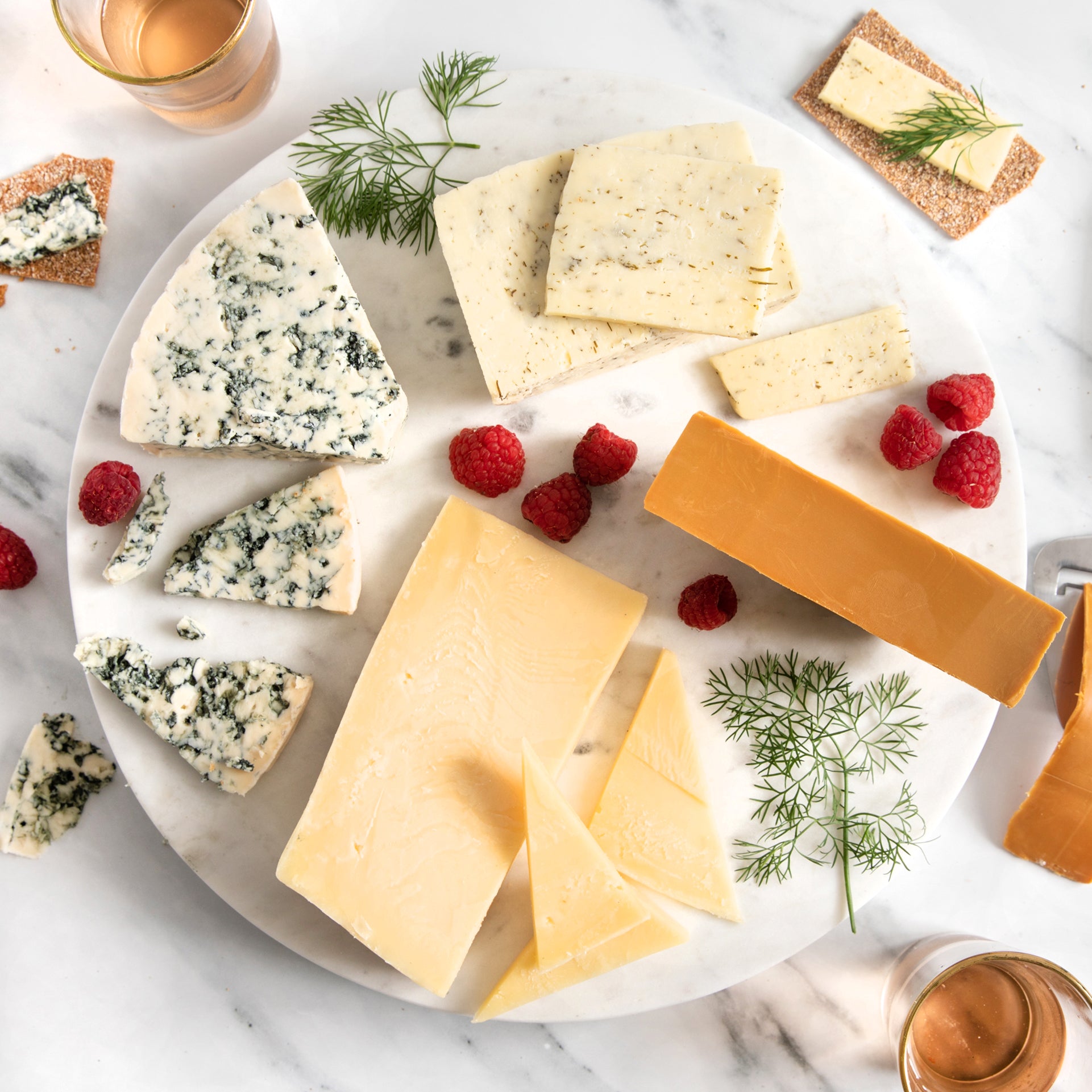
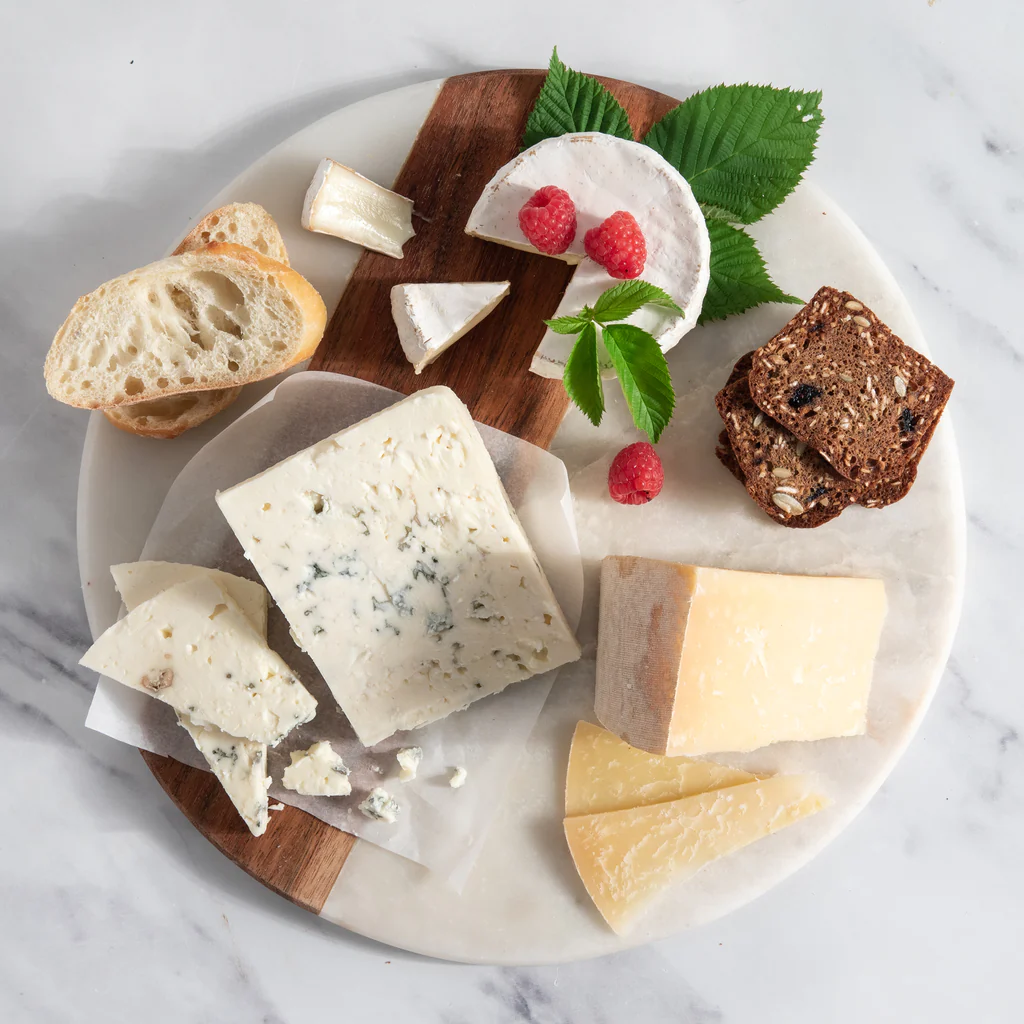
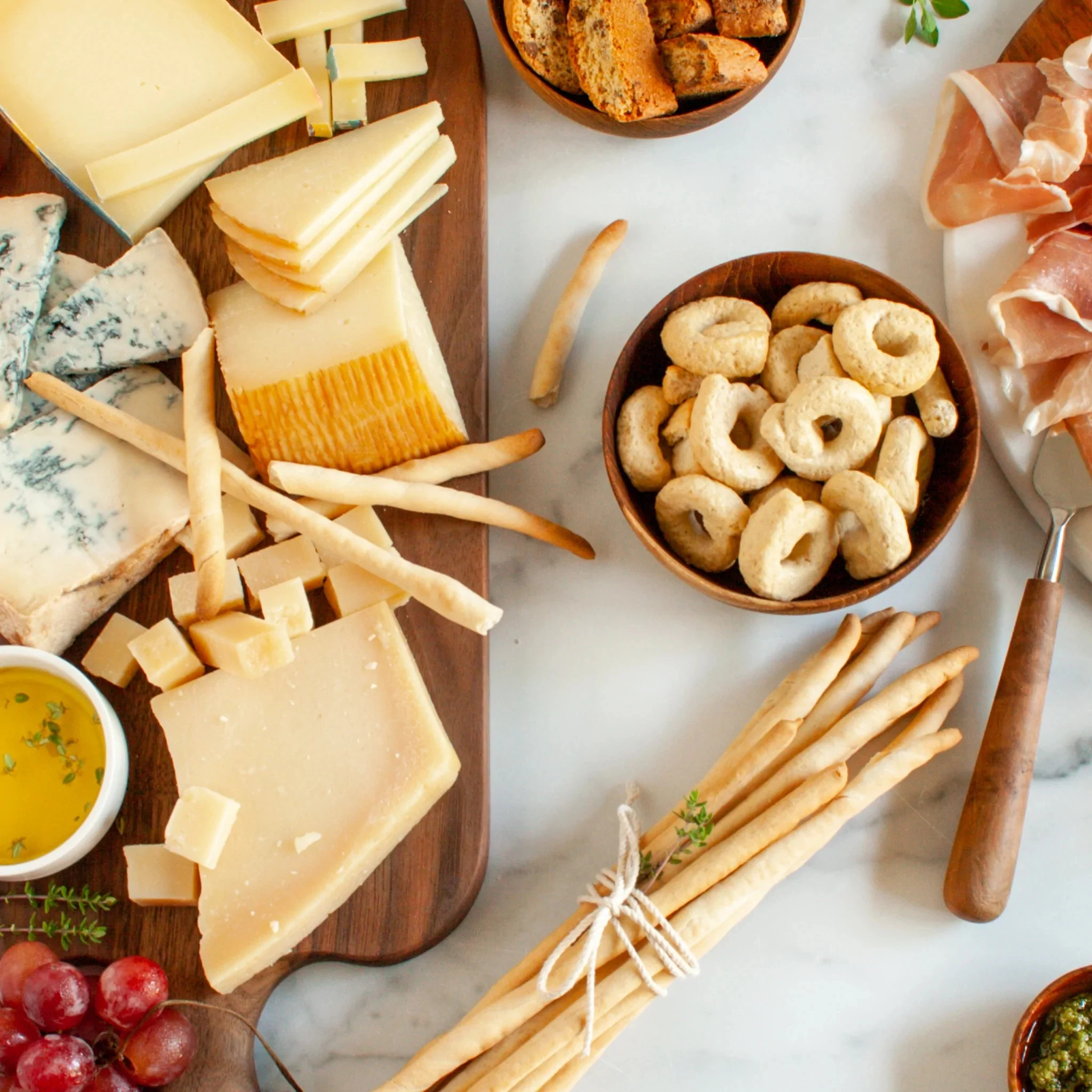
If you're just getting into Bleu Cheese, you'll soon discover not all Bleu Cheeses are blue. Roquefort's mold is a distinct green, while Spain's famous Cabrales Bleu has a purple tint to it, and certain cheeses, like Point Reyes, are yellowish in hue. Don't be put off, they’re all delicious!
History of Bleu Cheese: Cheese making is an ancient art, referred to in early Greek mythology, as "a gift of everlasting value." The era of a refrigerator in every home is a relatively new occurrence, however. Keeping food fresh before the invention of refrigeration required a great deal of ingenuity on mankind's part. Natural caves were perfect spots for storing perishable foods, as they were cool, maintained a consistent temperature, and kept out sunlight.
Unbeknownst to ancient man, Penicillium molds also made a home in these caves, among the most famous being Penicillium Roqueforti, from the caves of Roquefort-sur-Soulzon in Southern France. This beneficial mold settled on the cheese and caused spontaneous bleu veins to appear as it worked its way into cracks in the cheese.
Today, the process of "Bluing" a Bleu Mold Cheese is much more regulated to ensure a consistent flavor. Some manufacturers blend the bleu mold spores directly into the curds that forms the cheese, while others inject the mold into the young cheese using a syringe. If you've ever wondered why a wedge of Bleu Cheese has several long, dark columns of bleu veining, that is where sterile needles punctured the cheese to allow the mold to spread through the rest of the cheese.
Enjoying Bleu Cheese:
- Bleu cheese is perfect for crumbling over a salad, from baby field greens with sliced pears to crunchy Belgian endive with walnuts. If you treat yourself to a particularly nice Bleu Cheese, take cheese master Steve Jenkin's advice and enjoy the cheese alongside the salad, not mixed into it.
- Crumble Bleu Cheese on top of a burger or steak two minutes before taking it off the grill.
- Stuff mushroom caps with a mixture of herbs, Bleu Cheese, and breadcrumbs for a savory appetizer.
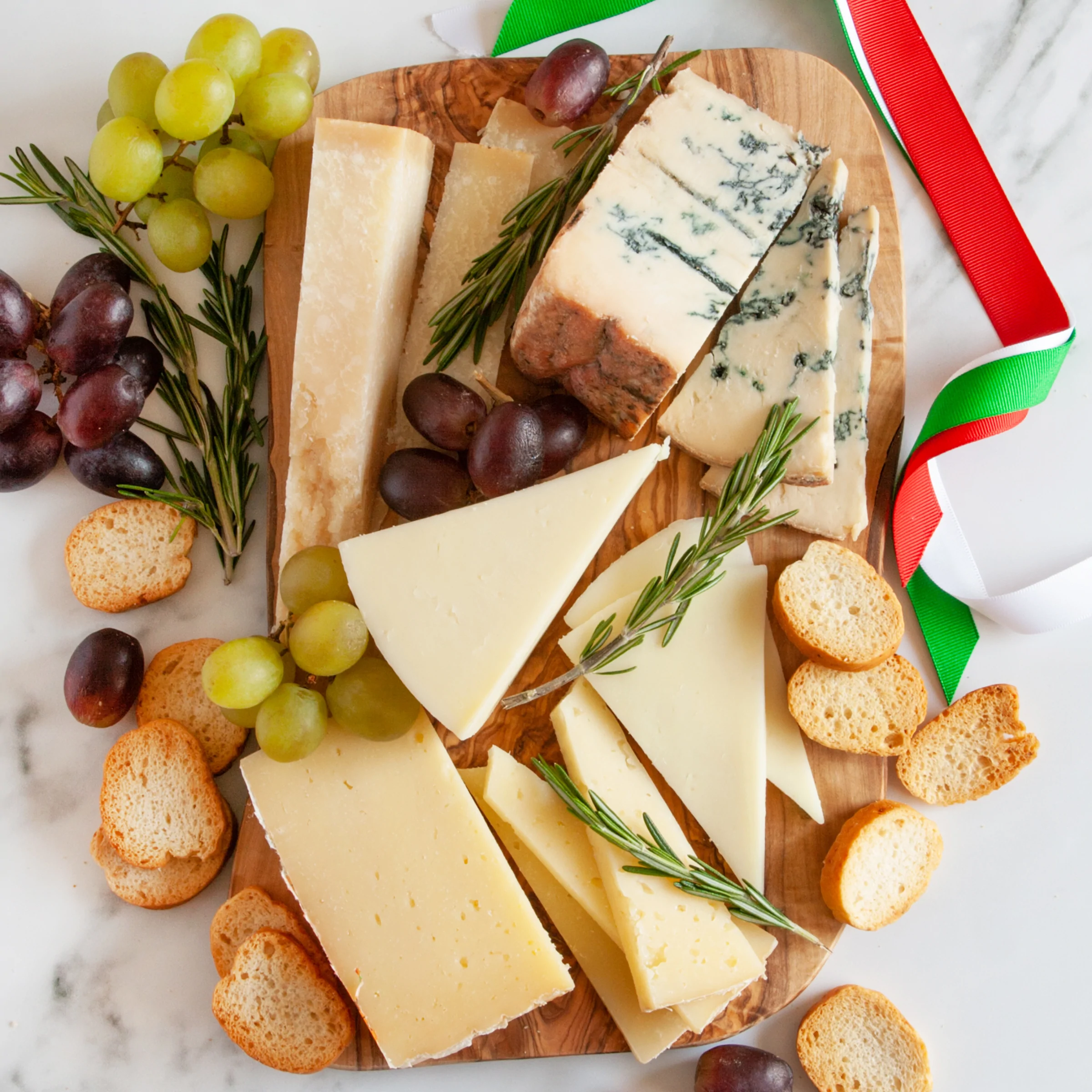
- Do as the Italians do and drizzle a wedge of Bleu Cheese, like Gorgonzola, with honey and serve as dessert with good bread and pears.
- Give creamy soups a haute-cuisine touch by melting Bleu Cheese on croutons before sprinkling over individual serving bowls.
- Add rich flavor to lean meats, such as pork tenderloin and chicken breasts, by stuffing with Bleu Cheese, bread crumbs, thyme, and minced mirepoix.
Shop, Find Recipes, Read About the History of Bleu Cheese
Buy Bleu Cheese online from igourmet.com! Please visit our online store and go shopping at the number one imported food delivery service in the USA. Our Bleu Cheese selection includes the following cheeses:
- Maytag Bleu Cheese
- Point Reyes Bleu
- French Roquefort
- English Stilton
- Italian Gorgonzola
- Spanish Cabrales
- Irish Cashel Bleu
- Danish Bleu - Crumbly and Creamy varieties
- Kosher Bleu Cheeses
- Australian Roaring Forties
- Much more